
October 19, 2026
Standards for the Future
In this interview with two product compliance experts, learn more about how digitalization and AI affect standards work in automation technology.

Their work bridges two worlds: the technology developed in-house at Pepperl+Fuchs in the form of products, and the international committees and associations where the rules governing the use and development of these products are established. As experts in product compliance, Nils Bleshoy (Head of Product Compliance) and Christopher Saile (Head of Product Security) help shape standards rather than merely following them. A conversation about standardization work at a time when the rules of the game are undergoing fundamental changes due to digitalization, AI, and new regulations.
Nils BleshoyWithout hesitation, I would say the spring meeting of IEC TC 31 here at our headquarters. Over the course of two weeks, we hosted around 170 global experts in explosion protection for standardization work at the Pepperl+Fuchs headquarters in Mannheim. Since I not only helped organize the entire event but also chaired two working groups, I was very deeply involved. Looking back, those were two extremely intense and highly productive weeks that reflected the industry’s most pressing issues at the moment. The field of standardization in explosion protection is currently undergoing significant changes. The foundational standard IEC 60079 was published in its eighth edition in June, marking the biggest change since 2017 and keeping us standards experts in explosion protection on our toes.
Christopher SaileThe situation is similar on the cybersecurity front; many things are currently in a state of flux. With the Cyber Resilience Act (CRA), the first horizontal European regulation for the cybersecurity of connected products is currently being implemented. Starting in September 2026, there will be a mandatory reporting requirement for actively exploited vulnerabilities and serious security incidents for the first time, before all CRA requirements take effect for all products placed on the market by the end of 2027—this includes both new products and legacy products sold after the effective date. Many companies, including our customers, perceive this entire topic as complex and potentially resource-intensive. We are actively involved in relevant industry associations such as ZVEI and Orgalim, where we contribute to the development of recommendations and their practical implementation. At the same time, we make targeted investments in the continuing education of our employees. This knowledge of CRA requirements and appropriate implementation strategies flows directly into our products and solutions.

Christopher SaileIn my opinion, it is crucial to be able to put yourself in different people’s shoes and assess the same situation from the perspective of various stakeholders. I initially worked as a software developer for remote I/O systems at Pepperl+Fuchs before taking on the role of Head of Product Security a few years ago. That prior experience in software development still benefits me today.
Nils BleshoyHaving hands-on operational experience is certainly a major advantage. I myself worked in the oil and gas sector in Texas for some time, where I first dealt with product certification while working on handling tools for oil rigs, before joining Pepperl+Fuchs in Twinsburg, Ohio, in 2016 as a certification engineer for explosion protection. Today, I’m responsible for company-wide product compliance at the headquarters in Mannheim. In addition to the individual qualifications of employees, the organizational structure within which they operate is also important for successfully working on and with standards.
Nils BleshoyAt Pepperl+Fuchs, we follow a hybrid model. This means that the Product Compliance function is centrally located at our headquarters in Mannheim and is supplemented by decentralized operational contacts in the development departments and at international locations. In this way, we combine uniform governance with operational proximity to the product. While the central unit contributes to the development and interpretation of standards and laws, derives internal guidelines from them, and develops a compliance strategy that is as uniform as possible, the decentralized contacts can support the early implementation of these guidelines in development projects and contribute their product-specific and local market knowledge. Our goal is to shorten communication channels, address regulatory requirements as early as possible, and ensure consistent implementation across different product lines and locations.
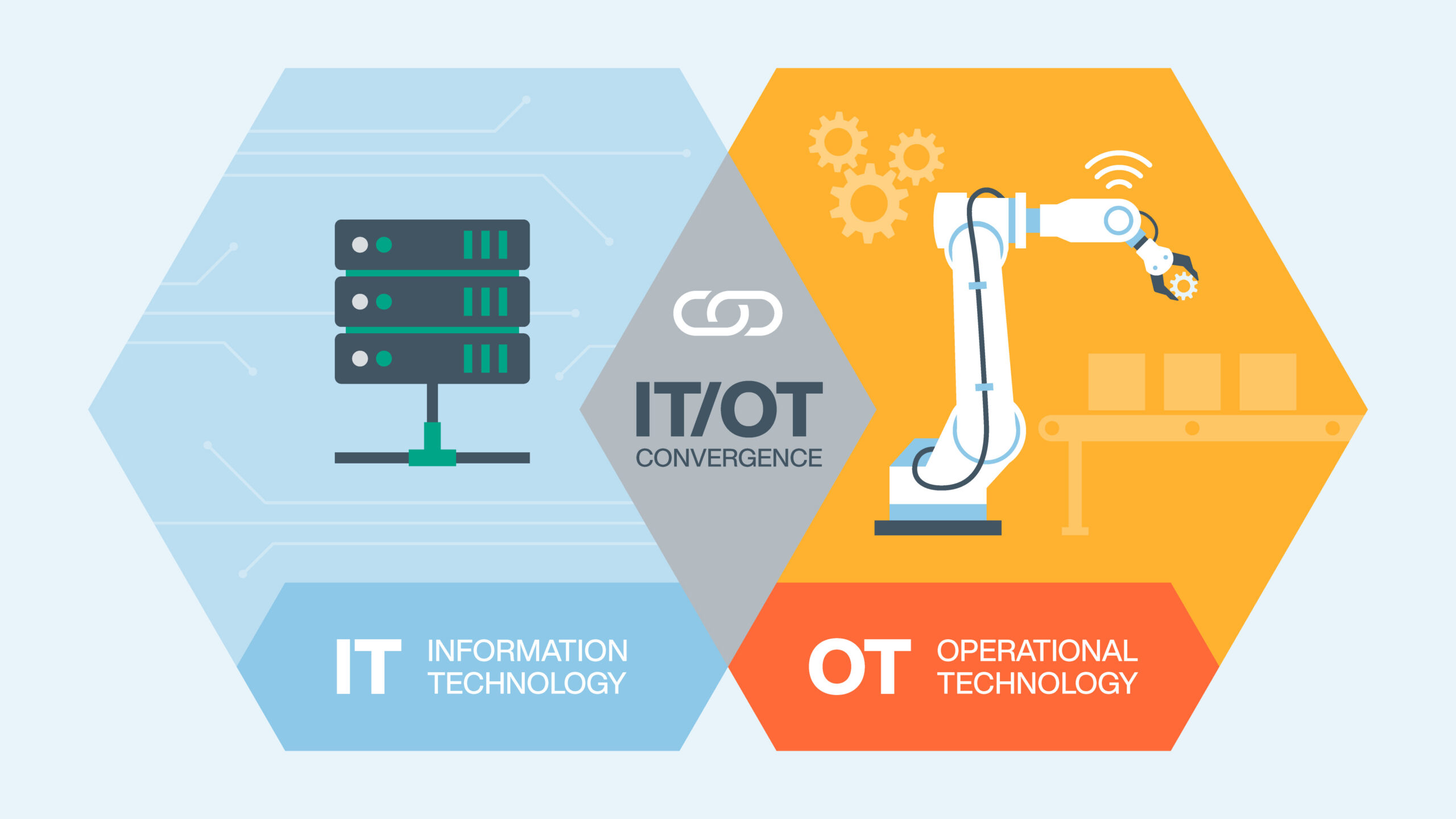
IT/OT convergence describes today's integration of information technology and operational technology to enable data exchange and coordinated processes between enterprise IT systems and industrial operations.
IT/OT convergence describes today's integration of information technology and operational technology to enable data exchange and coordinated processes between enterprise IT systems and industrial operations.
Christopher SaileCybersecurity has indeed long played a very minor role in automation technology. The reason for this was the “air gap,” meaning that for decades, industrial controllers, sensors, and actuators in automation had virtually no connection to external networks or the Internet. Added to this was the strict focus on machine and plant availability: firmware or software updates posed a risk that was avoided as much as possible to rule out unwanted side effects. Furthermore, functional safety, meaning the protection of people and machines from malfunctions, had to be guaranteed at all times. This approach has undergone a fundamental shift in recent years: When vulnerabilities in components and systems become entry points for cyberattacks due to the IIoT, cloud connections, remote services, and remote maintenance capabilities, the integrity of functional safety is also compromised. At the same time, the risk of production outages and downtime is increasing. The automation industry has recognized that cybersecurity requirements are no longer an optional add-on but must be consistently integrated into the development process from the very beginning.

Christopher SaileOperators are already able to operate in a cybersecurity-compliant manner today, even without the CRA, by implementing a wide variety of measures. However, this often requires them to go through a lengthy process of inquiring with manufacturers about a component’s cybersecurity characteristics, leaving them with little certainty regarding planning and updates. The CRA will alleviate this burden in the future: When component manufacturers bring their products to market based on EU-wide fundamental security requirements, cybersecurity will become simpler, more reliable, and easier to plan and verify. However, it is important to understand that a product developed in accordance with the CRA can still be configured negligently, poorly integrated, or updated too infrequently, potentially creating security vulnerabilities. The CRA is therefore not a universal solution, but rather a helpful and now mandatory tool in the context of cybersecurity. The EN/IEC 62443 series of standards, which is relevant to our industry, addresses this in greater detail. Manufacturers and operators have a symbiotic relationship aimed at ensuring cyber-secure operations. The manufacturer has a duty to provide information and is responsible for addressing vulnerabilities promptly and free of charge, as well as for providing security updates. However, the operator must also actively obtain and apply firmware updates and conduct security monitoring to maintain cybersecurity.
Nils BleshoyCybersecurity is, of course, highly relevant to explosion protection and will have an impact, particularly on the Industrial Internet of Things. However, from a standards perspective, cybersecurity must be considered separately from explosion protection; otherwise, it will lead to duplicate standardization. Conversely, however, cybersecurity must take into account the intended use in explosion protection during hazard analysis and avoid compromising it. To put it figuratively, stick to what you know: Explosion protection cannot and must not impose separate, redundant, or potentially contradictory cybersecurity requirements.
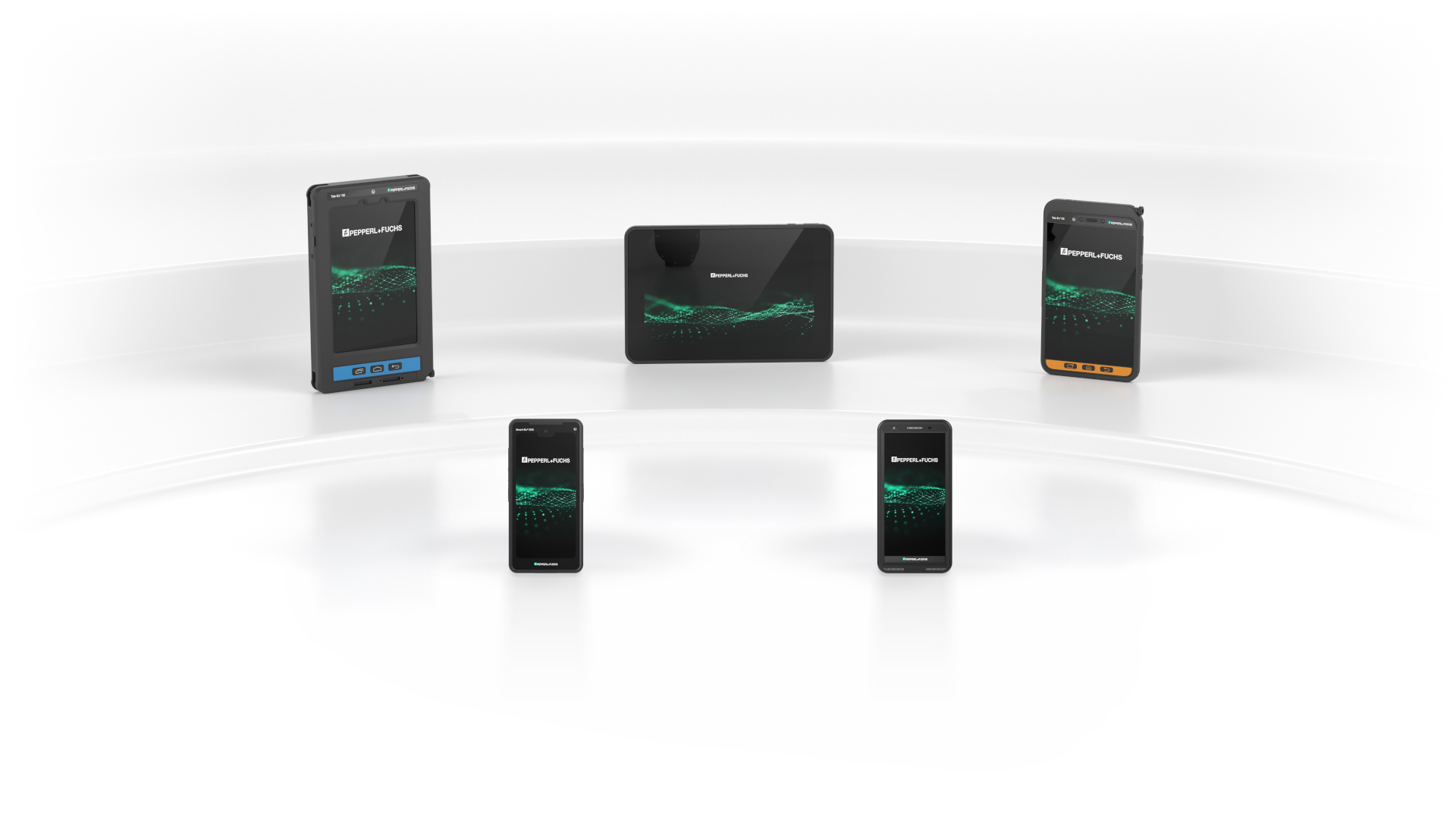
Nils BleshoyA key issue in explosion protection is today’s highly integrated digital technology, coupled with products that are becoming increasingly complex. Until now, explosion protection standards and directives have been designed for long-term application, particularly with “simple products” in mind. This reflects the long service lives of process plants and their components and systems. This balance has shifted in recent years: Development cycles are getting shorter, while more and more power is being packed into ever-smaller spaces within increasingly complex products, a trend further fueled by the push toward digitalization in industrial systems. This miniaturization presents two challenges: First, the resulting power dissipation must be safely dissipated; second, the air and creepage distances required by standards are becoming increasingly difficult to achieve. Another issue that regularly occupies standardization bodies is highly potent energy storage types, such as lithium-ion batteries. Unlike an externally powered circuit, they cannot be controlled simply by means of and voltage limitation: The energy is already stored within the device, the potential short circuit currents are high, and in the event of a fault, the energy can be discharged thermally and chemically, regardless of the external circuit. Sustainability aspects have also become part of our work. For example, we recently succeeded in securing an amendment to the EU Ecodesign Regulation (EU) 2023/1670 for smartphones and tablets. The requirements defined therein, such as those regarding repairability, could not be reconciled with the explosion protection requirements for highly specialized Ex-smartphones and tablets, such as those manufactured by Pepperl+Fuchs.
mobile_devices_1920x1080px
Pepperl+Fuchs recently succeeded in securing an amendment to the EU Ecodesign Regulation (EU) 2023/1670 for smartphones and tablets.
Nils BleshoyHere, we must make a clear distinction between process optimization in the plant and the standards development work itself. Of course, AI is not yet widespread in the process industry today: Plants operate on long-lasting, often analog technology, and much of the data must first be made accessible via retrofittable sensor technology and infrastructure components. However, the potential benefits of AI are already becoming apparent, for example in predictive maintenance, condition monitoring, or inspections in hard-to-reach areas. This makes maintenance more predictable, but does not affect explosion protection itself. AI does not provide a type of protection; it optimizes operations, while the protective function remains conventional and deterministic for the time being. The second level is standardization work. Under the banner of SMART Standards, the IEC, ISO, DIN, and DKE are working to ensure that standard content is no longer provided solely as a static document, but is instead made machine-readable, interpretable, and transferable. Today, users still spend considerable time manually transferring requirements from PDFs into their own systems and resolving ambiguities. This process is now set to be phased out in several stages. In the long term, the concept extends to standardized content that can be interpreted and applied directly by software and, eventually, by AI. Limit values, tables, and inspection intervals can be easily made machine-readable. SMART Standards are therefore a tool that will relieve users of time-consuming routine tasks, but they do not replace expert engineering judgment when assessing borderline cases.
Christopher SaileFrom my perspective as a cybersecurity expert, AI is a double-edged sword. On the one hand, it dramatically lowers the barrier to entry for attacks on systems. Generating malicious code and automatically scanning networked systems for vulnerabilities is now possible on a scale and at a pace that was previously reserved for specialized attackers. In addition, AI takes phishing to a whole new level. This is because attackers usually gain access to a system through the people operating it rather than directly through the control technology. Employees with access to critical systems can now be targeted more precisely than ever before using polished, personalized messages that appear deceptively authentic. On the other hand, AI is also the most effective countermeasure, because it is capable of detecting vulnerabilities and identifying anomalies before damage occurs. We are therefore entering a new race in which both sides use the same tools. The key to plant cybersecurity will not be whether AI is used, but how quickly and effectively it is deployed.